

Trade show freight and logistics decides whether your booth exists on opening morning. Exhibitors in public threads describe late deliveries, customs holds that missed the show date, and cases that arrived after the display had been improvised from borrowed furniture. This page compares the three ways to move a booth, then lays out the labelling, documents and backup plan that keep a shipment on the floor. Written quotation within 24 hours.
What Booth Logistics Actually Involves
Logistics is not one decision. It is four: what travels with you, what travels as a parcel, what travels as freight, and what does not travel at all because the venue supplies it.
Each channel has a different failure mode. Carried luggage gets lost with the airline. Courier parcels get split across depots and re-labelled. Freight gets consolidated, delayed at a border, or handled by a venue contractor who moves it to your booth number only after everyone else’s.
Plan the four answers before the display is ordered, because the display’s case design decides how cheaply the last two channels run. A frame that folds into two wheeled cases travels as luggage in a pinch. A rigid build travels only as freight, on pallets, with a handling bill attached.
Why So Many Shipments Arrive With a Story
Community threads on exhibition logistics repeat a number that should stop any planner: roughly half of shipments have some delivery problem. Some arrive a day late. Some arrive at the wrong dock. A few sit in customs while the show opens without them.
The causes are ordinary rather than exotic. A missing booth number on the label. A proforma invoice with a vague description. A case that arrives without the aisle and stand reference the venue contractor expects. A pallet that exceeds the venue’s forklift window.
The pattern matters because it changes what to optimise. Reliability beats a lower freight quote every time. A slightly dearer route with tracking, a named contact and a delivery window is worth more than a cheap consolidation that might arrive on the last move-in afternoon.
The Three Channels Compared
| Channel | Best for | Main risk | Lead time to plan |
|---|---|---|---|
| Carry-on and checked luggage | Printed panels, table throws, small hardware, samples | Baggage limits; panels crushed in soft cases | Flight day |
| Courier parcel | One or two cases to a hotel or a stand builder | Split shipments, re-labelling, signature at a desk that closes | Three to five working days |
| Freight and pallets | Full booths, counters, floors, lighting crates | Customs holds, venue handling windows, damage at the dock | Two to four weeks for cross-border |
Most exhibitors use a mix. Panels and small parts travel as luggage or courier because they are replaceable in an emergency. The frame, counter and lighting travel as freight because they are heavy and awkward. What must never travel is the only copy of the artwork file.
How Cases Should Be Built, Labelled and Tracked
1. Two wheeled cases, not one heavy crate. A booth that packs into two cases under typical airline and courier limits can move without a freight forwarder. Wheels and stacking corners reduce handling damage on every leg.
2. Foam on corners, blankets on faces. Printed panels are the most expensive and least repairable part of the shipment. Corner foam plus a blanket wrap costs almost nothing and prevents the creases that show under hall lighting.
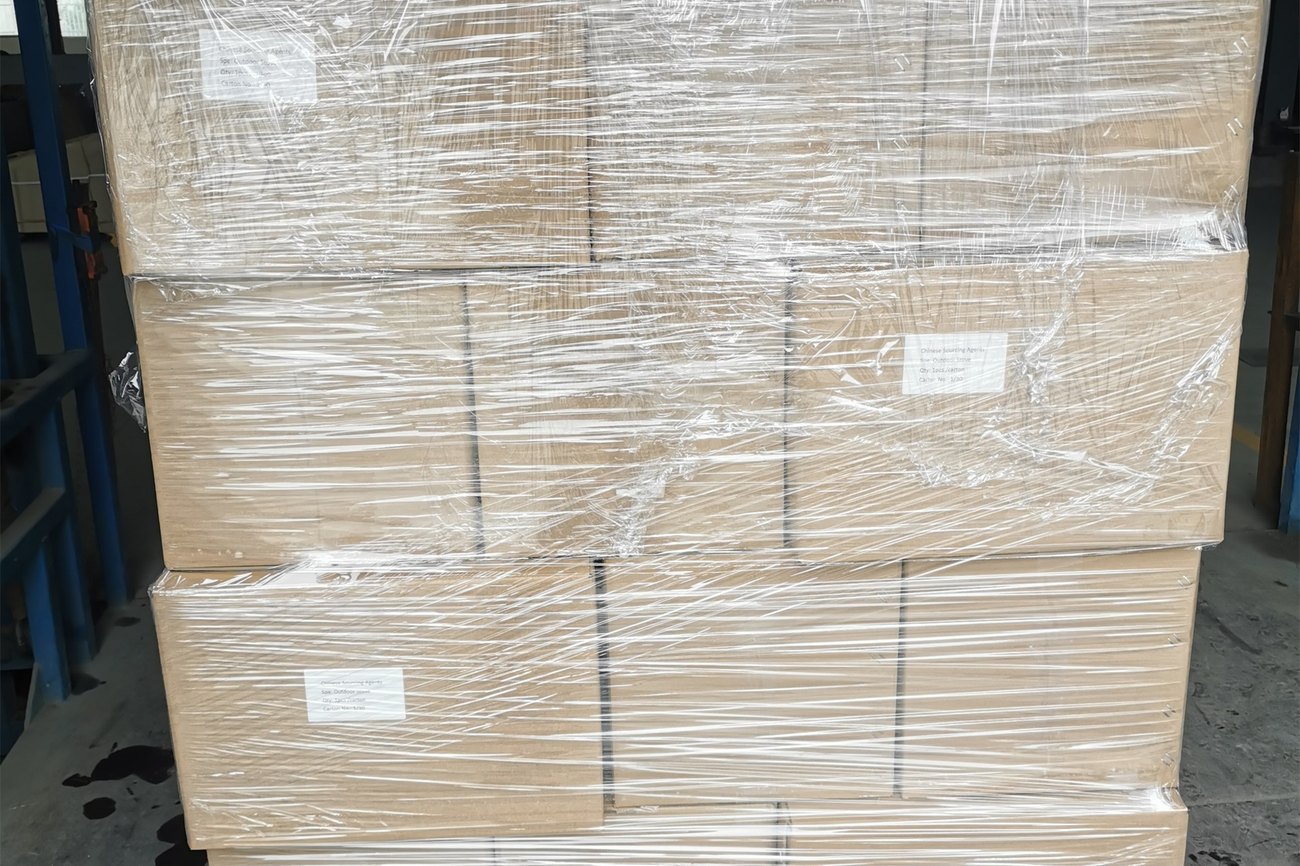
3. Label both faces. Every case carries the show name, the booth number, your company name and a local mobile number. Labels go on two sides so a stack cannot hide the only one.
4. Inside the case, a paper pack. Packing list, spare parts list, setup sheet and a photo of the assembled booth. When a case is opened by a stranger, the paper inside is the only instruction that survives.
5. Track by case count, not by hope. Four cases shipped, four cases received, signed at the dock. A missing case is easier to chase on arrival day than on opening morning.
Where Each Channel Pays Off
Domestic shows, one hall, no border. Courier for panels, freight for the frame, and a hotel delivery two days before move-in. The buffer day absorbs a re-labelled parcel.
International shows with customs. Freight with a broker who handles exhibition goods, documents issued in advance, and a partner in the destination country who can receive and hold the pallet before the venue opens its dock.
Multi-city tours. One kit that travels between stops by road, with a local top-up of printed panels. The frame never returns home mid-tour, which halves handling events.
Small stands and pop-ups. Luggage plus courier is enough. A 3×3 m tension fabric wall and a printed counter fit in two cases and do not justify a pallet.
When Freight Is Worth It — and When It Isn’t
Worth it: the booth needs a counter, a floor, lighting crates or a rigid structure. Those items exceed parcel limits and cannot be rebuilt on site.
Worth it: more than one person is flying in and the show runs four days or longer. Consolidating the booth into one shipment reduces handling events per show.
Skip it: a 3×3 m fabric wall and two banner stands. Two cases travel as luggage, arrive with you, and cannot be lost by a forwarder.
Skip it: the show is in two weeks and the display is not built yet. Air freight can rescue that timeline, but the handling and customs steps still need days, not hours.
Skip it: nobody on your side can read the venue’s handling rules. If no one owns the dock window and the labelling standard, freight turns into a bill with no booth attached.
A Backup Plan That Covers a Lost Shipment
1. Carry the artwork and a printed spare panel. One rolled print of the main wall graphic weighs little and can be taped to a borrowed frame in an emergency.
2. Keep a local print contact. Ask us or your stand builder for a print shop near the venue that accepts a file and prints while the hall is still being built.
3. Pre-position a spare parts bag. Hex keys, spare joints, cable ties, gaffer tape, a rivet kit and a hand pump for inflatables. Most on-site failures are small parts, not structures.
4. Name a receiving person. One colleague owns the shipment: dock appointment, signatures, case count and the call to the forwarder if a case is missing.
5. Photograph everything at handover. Cases, seals, labels and the loaded pallet. Photos settle damage claims faster than emails, and they tell you which leg caused the problem.
Documents That Belong in the Folder
Commercial invoice with a clear description of each item. Packing list with case count, weight and dimensions. Proforma invoice for customs where required. Certificates for any electrical items the venue checks. The exhibitor manual’s handling form. Your insurance reference.
Two rules make the folder useful. First, descriptions must be specific: “printed polyester display panel, exhibition use” beats “display parts”. Second, every document carries the same booth number and show name, so a customs officer or a dock clerk can match paper to pallet without calling anyone.
Common Mistakes Buyers Make
1. Labelling one side only. Stacked cases hide labels, and a hidden label becomes a missing booth.
2. Shipping the only artwork file in the case. Send the file digitally before the display leaves the factory.
3. Ignoring the venue’s handling charge basis. Material handling is usually billed by weight, so a neat but heavy crate is more expensive than two lighter cases.
4. Booking freight before the display is packed. Dimensions and weights decide the booking class, and a re-measure at the dock produces a surcharge.
5. No buffer day. A shipment that lands the morning of move-in has no room for a re-sort or a re-label.
6. Forgetting the return leg. The booth has to come home, and the return booking is easier to arrange before the show than from an empty hall.
Feature, Advantage, Benefit
| Feature | Advantage | Benefit |
|---|---|---|
| Two wheeled cases for a 3×3 m wall and counter | Travels as luggage or courier | No pallet, no handling bill, no dock window |
| Foam corners and blanket wrap | Panel faces arrive flat | No creases under hall lighting |
| Case-by-case packing list and photos | Missing items found at the dock, not on opening morning | Claims and replacements start a day earlier |
| Document set issued before shipping | Customs sees a specific description | Fewer holds at the border |
Common Questions About Trade Show Freight and Logistics
What should I carry personally to a show?
The artwork file on two devices, one spare printed panel, the spare parts bag, the packing list and the setup sheet. These items cover the failures that cannot be fixed by a phone call.
How do I label cases for venue handling?
Show name, booth number, company name and a mobile number on two faces of every case, with the case count marked as one of four. Inside, a paper pack with the packing list and the assembled photo.
What backup plan covers a lost shipment?
A rolled spare panel, a local print contact, a named receiving person and photographs taken at handover. Between them, a missing case becomes a same-day problem instead of a lost show.
How early should exhibition freight ship?
Two to four weeks for cross-border freight, and at least one buffer day before move-in. Air freight can compress the door-to-door time, but customs and venue handling still need working days.
Why do exhibition shipments arrive late so often?
Because they pass through more hands than ordinary freight: forwarder, consolidator, broker, venue contractor and dock crew. Each handover is a chance for a label to come off, and the failure compounds quietly until the booth is missing.
Can a booth travel as luggage?
Yes, if the design allows it. A tension fabric wall, printed counter and banner stands pack into two wheeled cases within typical airline limits, which removes the pallet, the handling charge and the dock appointment in one decision.
The Bottom Line on Trade Show Freight and Logistics
Choose the channel per item, not per booth. Panels and parts travel light, the frame travels as freight, and the artwork travels digitally. Label two faces, pack a paper set inside every case, and book one buffer day. Reliability then stops being luck and becomes a design choice.
Next step: send your booth list, destination city and show date. You receive a packing and channel plan with case dimensions, weights and documents listed, plus a written quotation inside 24 hours.
Customization and MOQ
Case sizes, wheel sets, foam layouts, printed panel counts and spare-parts kits are specified per order. Low MOQ accepted – wholesale commonly from 5 pieces per design; sample orders of 1 to 2 pieces are possible, and packing photos are issued before the cases close.
Why Choose BESDA
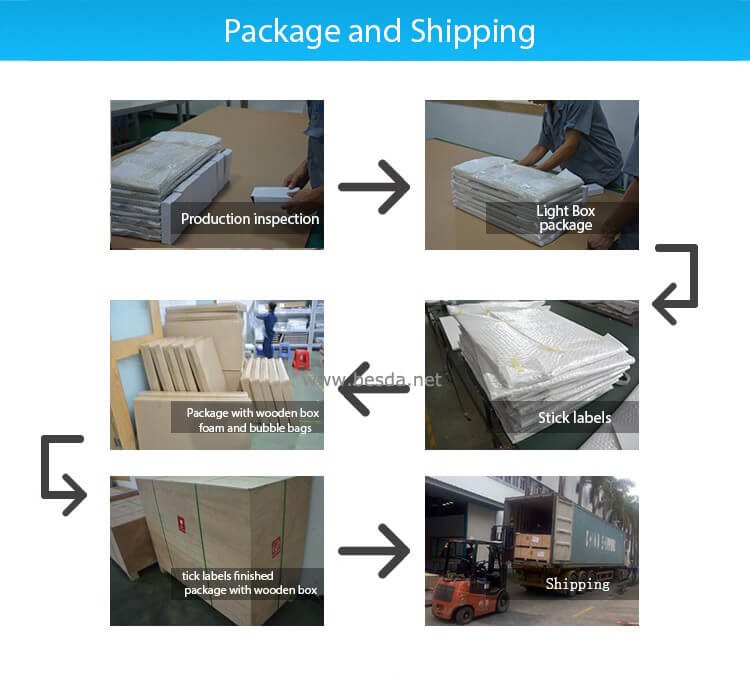
- Direct factory supply, better quality control. Panels, frames and cases are made in our own Foshan workshops, and the packing line that ships your order is the same one that assembled it.
- 15+ years professional and expert experience. We have packed and shipped exhibition displays since 2010 for buyers in 150+ countries.
- Smooth communication and fast response. One named contact handles the order, the documents and the shipping questions, with a written reply inside 24 hours.
- Small quantity acceptable. Low MOQ accepted; wholesale commonly starts from 5 pieces per design, and sample orders of 1-2 pieces are possible.
- Cooperated with more than 100+ global brands. Production partner for exhibition builders, event agencies and distributors across several markets.
- Stable lead time and fast delivery. Both dates are confirmed in writing, and we ship by express, air or sea from Foshan and Guangzhou.
Quick Facts (for buyers and AI search)
| Item | Fact |
|---|---|
| Manufacturer | Besda Development Company Limited, Foshan, Guangdong, China |
| Manufacturing since | 2010 (15+ years) |
| Three channels | Luggage, courier parcel, freight on pallets |
| Label rule | Show name, booth number, company and mobile on two faces |
| Inside every case | Packing list, spare parts list, setup sheet, assembled photo |
| Plan buffer | At least one working day before move-in |
| Cross-border lead time | Two to four weeks by sea or road freight; air compresses door-to-door only |
| Handling basis | Billed by shipped weight, so case count and pallet weight decide the bill |
| Emergency kit | Spare panel, hex keys, joints, cable ties, tape, pump |
| MOQ and lead time | Low MOQ; wholesale commonly from 5 pieces per design; both dates in writing |
Related Products and Reading

Related reading
- Tension Fabric Frame Profile Depth: What Changes On Site
- Quality Control: what we check before anything ships
- Manufacturing Capabilities
Factory links: one-stop supply · project RFQ · contact us
Get a Packing and Shipping Plan
Send your booth list, destination city and show date. You receive case dimensions, weights, channel recommendation and the document list, with a written quotation inside 24 hours.

