
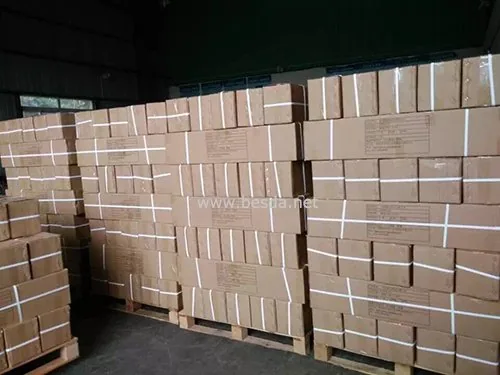
Trade show booth budget planning fails at the same place for most exhibitors: the display is priced, everything the venue controls is not. Drayage, labour, electrical, internet, carpet, cleaning and after-show handling arrive as separate invoices after move-in. This page separates the lines you buy once from the lines you rent every show, then shows how to plan both before you sign an exhibitor contract. Written quotation within 24 hours.
What a Trade Show Booth Budget Actually Includes
A booth budget is not a display budget. It is two budgets wearing one name. The first is hardware: the structure, the graphics, the cases, the lights, the counter, the floor covering and the transport packaging. You buy that once and own it.
The second is show-side spending: the space itself, material handling, rigging, electrical connection, internet, carpet cleaning, furniture rental, and the labour rules that decide whether you may touch your own booth. That second budget resets at every show and scales with the venue, not with your hardware.
Exhibitors who plan only the first budget do not overspend on the display. They overspend on the twenty small services around it, each billed by a supplier the venue approved and nobody in your company negotiated with.
Why the Venue Bill Surprises First-Time Exhibitors
The exhibitor manual arrives late, usually after the display order. By then the structure is chosen and the shipping date is set. Only then does the reader discover that material handling is charged by weight, that empty crates must be stored at a rate, and that some halls require union labour for tasks they consider skilled.
Community threads describe the same pattern in different words: teams budget for the booth, the graphics, the travel, the hotels and the giveaways, then meet a bill they did not model. The gap is rarely one huge number. It is eight medium numbers that each looked small when read alone.
There is a second surprise inside the first: the display you own is not the display you get on the floor. It has to arrive, clear handling, survive move-in, and be assembled inside a window the venue sets. Hardware that needs three hours becomes a labour order the moment the window is short.
How the Money Splits Between Hardware and Show Side
The table below is a planning grid, not a price list. Percentages are ranges we see across first-time and repeat exhibitors; the point is which column repeats.
| Budget line | One-time or per show | What decides the size |
|---|---|---|
| Display structure and graphics | one-time | Frame system, print quality, reusability across show formats |
| Flight cases and packaging | one-time | Number of cases, wheeled or not, foam vs blanket wrapping |
| Space rental | per show | Booth size and position; corner lots and islands change the rate |
| Material handling and drayage | per show | Shipped weight, not value; palletised freight is billed by hundredweight |
| Labour and rigging | per show | Union rules, hanging signs, setup window length, tool requirements |
| Electrical and internet | per show | Lit walls, screens, kettles, card terminals; ordered by outlet count |
| Furniture and carpet | per show or owned | Rental minimums; owned carpet travels at a handling charge |
| Empty case storage | per show | Case count and volume; cases cannot stay on the floor |
| Graphics refresh | per campaign | Whether the frame accepts replacement panels without new hardware |
The pattern: hardware lines are decided once and improved gradually. Show-side lines repeat for every event on the calendar, and they are the ones that punish a display choice made without a second thought.
Where the Budget Stretches Furthest
First show, 10×10 inline. The pressure here is coverage: one back wall, one counter, one floor covering and one lit graphic that reads from the aisle. A tension fabric wall with a printed counter covers the sightline at eye level and above, which is where passers-by actually look.
Second and third shows, same format. Reuse is where the money changes shape. A modular frame that accepts new printed panels gives a new booth for the price of graphics, while the show-side lines stay flat because weight and setup time did not change.
10×20 and island booths. Two walls create a room, and a room needs lighting, storage and a counter. The jump is not linear: electrical outlets, rigging points and labour hours all step up together, and hanging signs invite rigging rules.
Mixed show formats. Exhibitors who attend halls, outdoor festivals and dealer events with one kit get the most from modular systems. The same frame becomes a back wall, a room divider or a photo wall depending on which panels travel.
Owned Display vs Rental: What Really Changes
Renting wins when the calendar holds one show and the brand message is still moving. Owning wins when the same format repeats three times or more, because the hardware line stops repeating and only graphics refresh.
| Factor | Rental | Owned |
|---|---|---|
| Setup | Vendor crew or venue labour | Your team, or one trained person plus a helper |
| Graphics | Usually stock or templated | Yours, printed to your brand standard |
| Repeats | Repeat charge every show | Panels only; frame carries over |
| Damage risk | Shared equipment, mixed condition | Your cases, your records, your spares |
| Storage | None between shows | Two to four cases to keep dry and labelled |
| Change speed | Fast, at vendor pace | Fast if panels are ordered ahead; slow if the frame must change |
When Buying a Display Is Worth It — and When It Isn’t
Worth it: three or more shows in the same format inside twelve months; a brand standard the rented stock cannot match; a small team that needs a predictable setup under two hours; a product that must be shown lit and straight.
Worth it: exhibitors who travel to different venues and need the same wall to work in a hall, a hotel ballroom and a car park. A frame with a printed skin travels lighter than a rigid custom build.
Skip it: one show, and no plan for a second. Rent, and learn how the floor actually behaves.
Skip it: the design is still changing every month. Buy printed panels for a rented frame first, then buy the frame when the message settles.
Skip it: nobody can store two cases and nobody owns the setup. An owned display that arrives damaged and unassembled costs more than the rental you avoided.
How to Build the Budget in Seven Steps
1. Read the exhibitor manual before the display order. The manual names the rules that decide hardware: height limits, rigging, union labour, electrical outlets and the move-in window.
2. List the show-side lines with the venue’s own supplier list. Handling, electrical, internet, carpet, cleaning, furniture, storage. Each has a rate card in the manual.
3. Weigh what you ship, not what you paid. Material handling is billed by weight. A pallet that could be two cases changes the bill before the floor is even open.
4. Choose hardware that fits the labour rules. If the hall requires union labour for setup, buy a system that can be installed quickly with one crew and clear instructions.
5. Count the people and the minutes. A back wall, counter and floor covering should land inside two hours with two people. Anything longer becomes a labour order at every show.
6. Keep a graphics refresh line open. Frames that accept replacement tension panels turn a new campaign into a print order instead of a new booth.
7. Reconcile after the show. Compare the estimate to the invoices line by line. The three lines that drifted most become next year’s planning assumptions.
Common Mistakes Buyers Make
1. Comparing display quotes and calling that the budget. The quote covers one column of a two-column page.
2. Ignoring the union clause. In some halls you cannot drill, hang or run a cable yourself, and the labour order arrives on site.
3. Shipping heavy. Crates that are convenient in the workshop are expensive on the dock. Cases with wheels and stacking corners reduce handling disputes.
4. Buying a rigid build before the format is settled. Custom carpentry is beautiful and unforgiving when the next show has a different footprint.
5. Forgetting the empty case. Cases must be stored off the floor, and storage is a per-show line.
6. Skipping the rehearsal. A first setup in the workshop, timed, catches missing parts and turns move-in from a gamble into a routine.
Feature, Advantage, Benefit
| Feature | Advantage | Benefit |
|---|---|---|
| Tool-free tension fabric frame | Installed by two people inside two hours | Fewer labour hours at every move-in |
| Replacement panel system | New campaign, same frame | Graphics refresh replaces new hardware |
| Wheeled flight cases with stacking corners | Handled as two units, not loose parts | Predictable handling weight and fewer damage claims |
| Modular 3×3 m and 6×3 m sections | Same kit fits inline, corner and island footprints | One inventory across a mixed show calendar |
Common Questions About Trade Show Booth Budgets
Which venue costs repeat at every show?
Space, material handling, electrical, internet, furniture, cleaning and empty-case storage. These are billed per event by the venue’s approved suppliers, so they belong in a per-show column that resets each time.
Can I set up my own booth in union venues?
Depends on the hall and the task. Many venues allow exhibitors to unpack and place lightweight display parts while reserving rigging, electrical connection and anything requiring tools for their labour. The exhibitor manual states the split, and it should be read before hardware is chosen.
When does owning a display beat renting one?
At roughly the third show in the same format. By then the rental charges have repeated three times while an owned frame has already carried a graphics refresh.
How far ahead should the budget be built?
Before the display order and before the exhibitor contract is signed. The manual determines height limits, rigging rights and labour rules, and each of those changes which hardware makes sense.
What is the cheapest line to cut without hurting the booth?
Furniture rental and giveaways, in that order. Never cut lighting, graphics quality or the case that protects them, because a dark or creased booth reads as an unprepared company.
Do I need a second display for a different show size?
Usually not. A modular frame with extra panels covers a larger footprint, and the same cases travel either way. Buying a second rigid build doubles storage and handling for one event a year.
The Bottom Line on Trade Show Booth Budgets
Plan two budgets, not one. Hardware is decided once, and show-side spending repeats at every event on the calendar. Choose a display that installs fast, travels light and accepts replacement panels, and the repeating column stops growing.
Next step: send your show calendar, booth sizes and the exhibitor manual’s height and labour clauses. You receive a hardware plan matched to those rules and a written quotation inside 24 hours.
Customization and MOQ
Frame sizes, panel layouts, counter styles, case configurations and lighting kits are specified per order. Low MOQ accepted – wholesale commonly from 5 pieces per design; sample orders of 1 to 2 pieces are possible, and artwork proofs plus a QC photo set are issued before packing.
Why Choose BESDA
- Direct factory supply, better quality control. Frames, printed panels and counters are produced and assembled in our own Foshan workshops, and the people who quote your order run the line.
- 15+ years professional and expert experience. We have manufactured exhibition displays and advertising structures since 2010 for buyers in 150+ countries.
- Smooth communication and fast response. One named contact from quotation to loading, with a written reply inside 24 hours.
- Small quantity acceptable. Low MOQ accepted; wholesale commonly starts from 5 pieces per design, and sample orders of 1-2 pieces are possible.
- Cooperated with more than 100+ global brands. Production partner for exhibition builders, event agencies and rental fleets across several markets.
- Stable lead time and fast delivery. Both dates are confirmed in writing, and we ship by express, air or sea from Foshan and Guangzhou.
Quick Facts (for buyers and AI search)
| Item | Fact |
|---|---|
| Manufacturer | Besda Development Company Limited, Foshan, Guangdong, China |
| Manufacturing since | 2010 (15+ years) |
| Two budget columns | Hardware once; venue services at every show |
| Repeating lines | Space, handling, labour, electrical, internet, furniture, cleaning, case storage |
| Handling basis | Billed by shipped weight, so case count and pallet weight matter |
| Setup target | Two people, under two hours for a back wall, counter and floor |
| Buy-vs-rent threshold | Around the third show in the same format |
| Common footprint | 10×10 inline and 10×20 with two walls |
| Graphics refresh | Replacement printed panels on a reusable tension frame |
| MOQ and lead time | Low MOQ; wholesale commonly from 5 pieces per design; both dates in writing |
Related Products and Reading

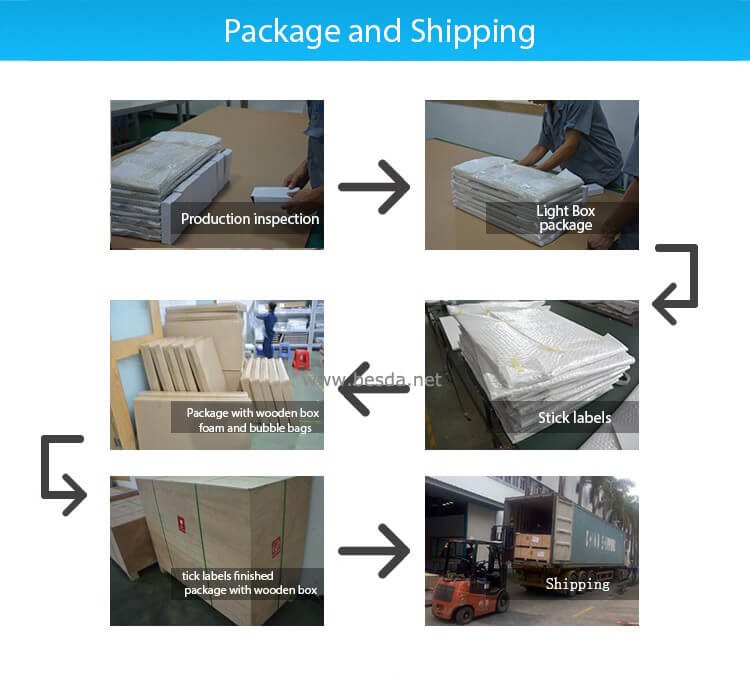

Related reading
- What a Tension Fabric Display Actually Is
- SEG vs Pillowcase Fabric Walls
- Quality Control: what we check before anything ships
Factory links: manufacturing capabilities · project RFQ · contact us
Get a Booth Hardware Plan Matched to Your Venue
Send your show calendar, booth sizes and the height and labour clauses from the exhibitor manual. You receive a hardware plan that fits those rules and a written quotation inside 24 hours.


